Industry News
Research, Science & Manufacturer Updates
Vaccines Articles
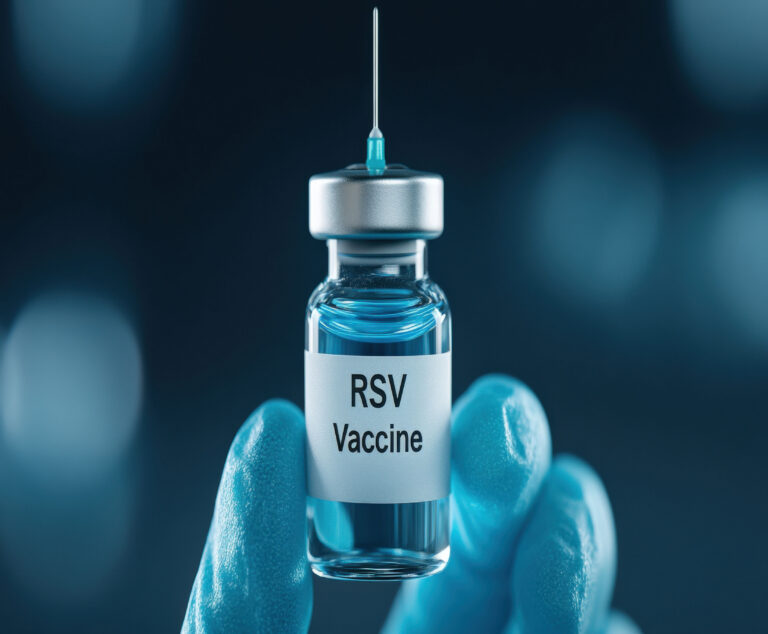
The U.S. Food and Drug Administration has expanded the approved age indication of AREXVY to adults aged 18 to 49 years at increased risk for lower respiratory tract disease caused by RSV.
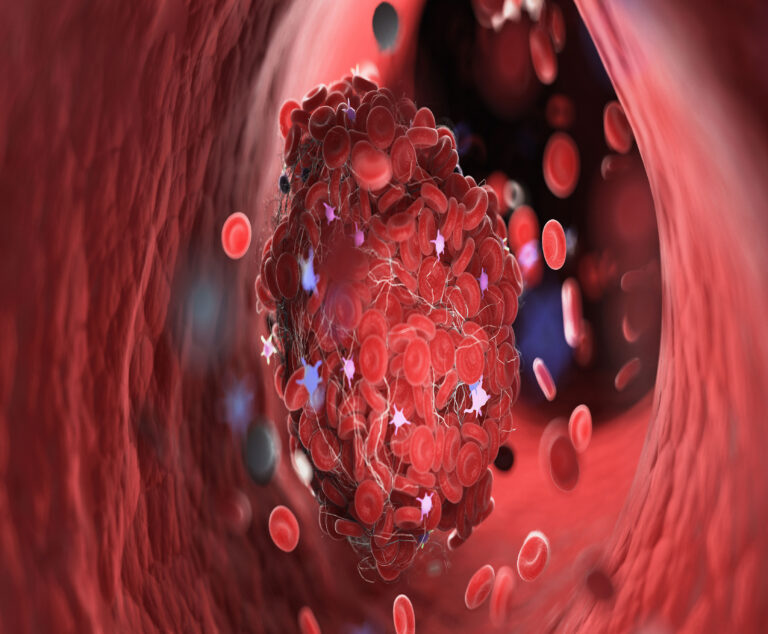
Researchers have discovered why the unusual side effect of a blood clot that impacted some recipients of the Oxford/AstraZeneca and Johnson & Johnson COVID-19 vaccines occurred.
Stanford Medicine researchers have invented a new vaccine that protects mice from respiratory viruses, bacteria and allergens, which is the closest yet to a universal vaccine.
A vaccine candidate called GBP511 that builds upon a self-assembling nanoparticle technology has begun human clinical testing in Australia.
A clinical tria that evaluated an alpha-lactalbumin (aLA) vaccine demonstrated an immune response in 74 percent of patients who presently have or are at high risk for triple-negative breast cancer.
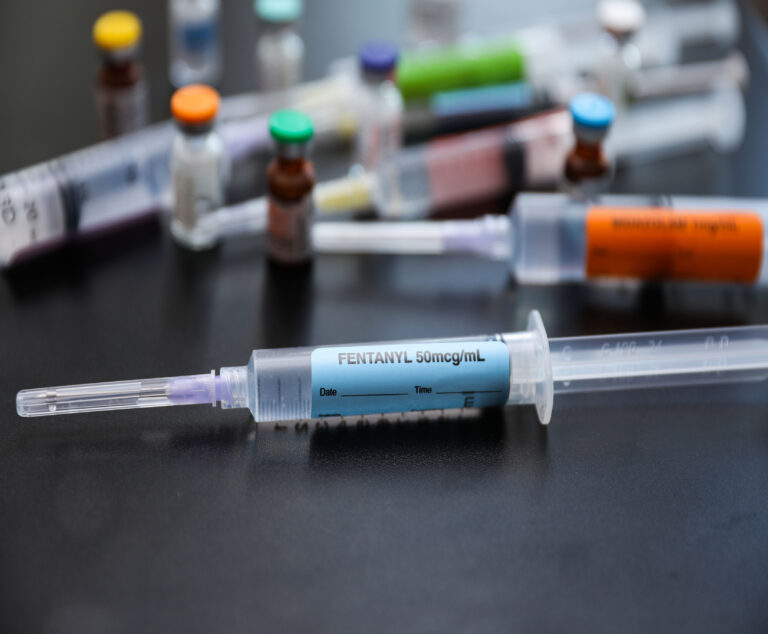
A vaccine that blocks the effects of fentanyl, including overdoses, is scheduled for Phase I human trials in the Netherlands in early 2026 to assess its safety.
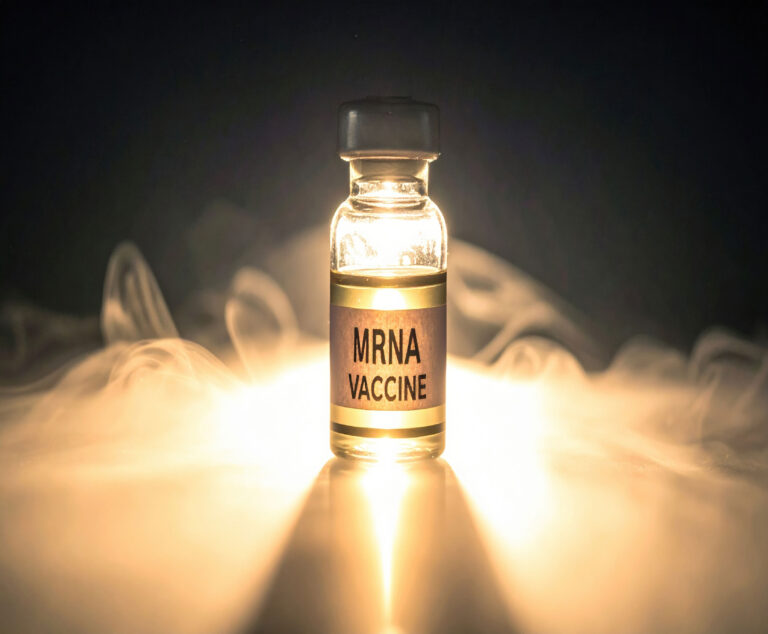
Researchers have demonstrated that weakened immune systems of older individuals can be rejuvenated using mRNA technology to transform the liver in mice into a temporary source of immune regulatory factors that are naturally lost during aging.
The Centers for Disease Control and Prevention has approved a change to the nation’s childhood immunization schedule to drop the long-standing practice of giving all newborns a hepatitis B vaccine within 24 hours of birth.
In a national cohort study of 28 million individuals, researchers found no increased risk of four-year all-cause mortality in individuals aged 18 to 59 years vaccinated against COVID-19, further supporting the safety of the mRNA vaccines that are widely used worldwide.
A study has found that for patients with certain types of advanced lung or skin cancer, administration of a SARS-CoV-2 mRNA vaccine within 100 days of starting immune checkpoint inhibitors is associated with increased overall survival.
New research has found that patients with advanced lung or skin cancer who received a COVID-19 mRNA vaccine within 100 days of starting immunotherapy drugs lived significantly longer than those who did not get the vaccine.
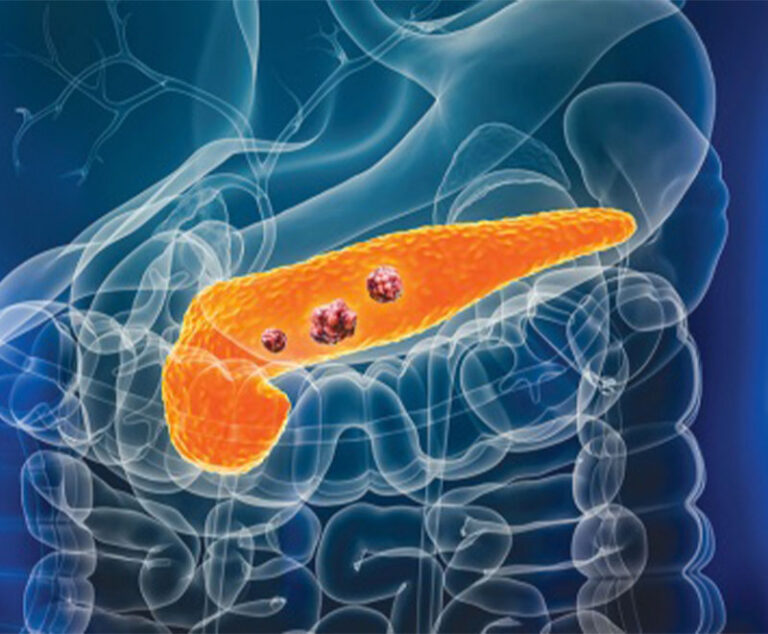
Early clinical and preclinical results are showing that an experimental mRNA and nanoparticle vaccine produced measurable immune responses against pancreatic cancer, and that in small patient groups, those immune responses correlated with delayed recurrence or prolonged survival.